Skip to content
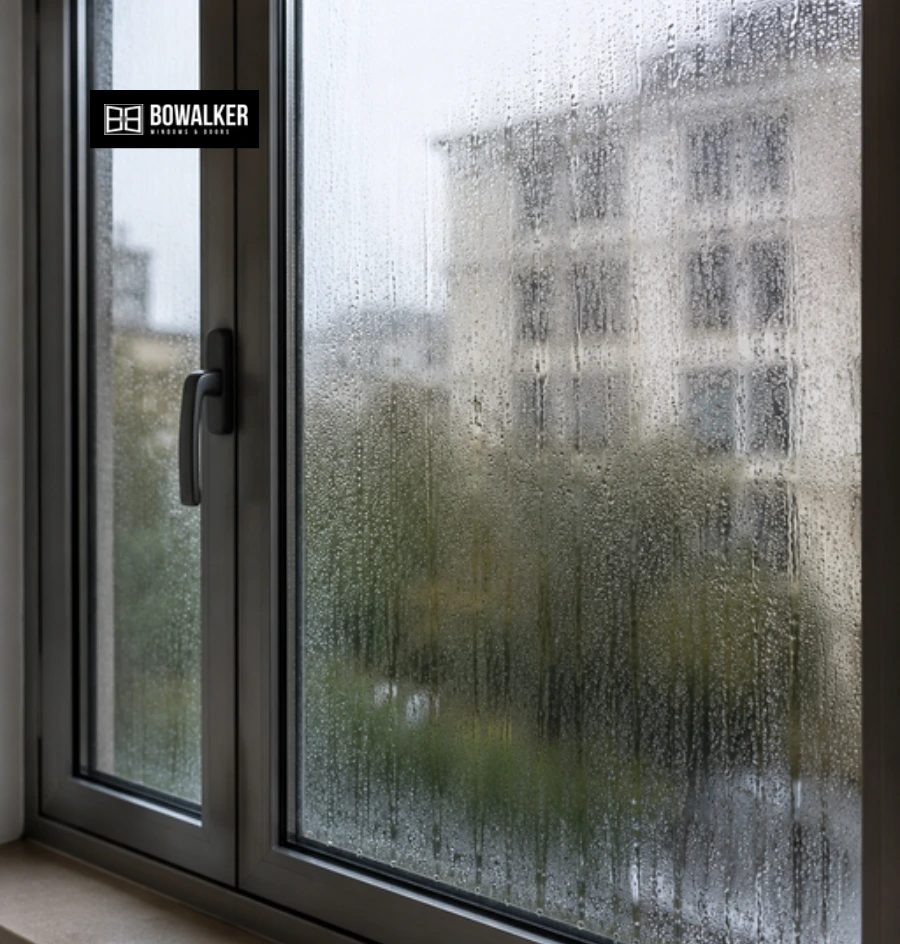
To stop condensation on windows, keep indoor humidity between 40-50%, improve ventilation, maintain steady heating, seal cold draughts and keep warm air circulating across the glass. Use dehumidifiers, extractor fans, trickle vents, insulation film and proper glazing to reduce moisture buildup before humid air turns into water droplets on colder window surfaces. Condensation commonly forms when moisture from cooking, showers, breathing or indoor drying meets cold glass, especially on single-glazed, aluminium sash, roof or poorly insulated windows during winter.
Because each room and window type traps moisture differently, condensation often forms more quickly in bedrooms, bathrooms, kitchens, laundry rooms and basements where humidity and airflow are unbalanced. If left untreated, persistent condensation can lead to mould growth, peeling paint, failed glazing seals, swollen timber, musty smells, breathing issues and long-term damp damage around nearby walls and window frames.
10 Ways to Stop Condensation on Windows are:

- Keep Indoor Humidity Around 40-50% With a Dehumidifier: Reduces excess airborne moisture, so water droplets do not form easily on cold window glass.
- Improve Ventilation With Fans, Trickle Vents and Open Windows: Removes trapped humid air and keeps fresh airflow moving around colder window surfaces.
- Keep Blinds, Curtains and Furniture Away From Windows: Allows warm air to circulate across the glass and prevents damp air from becoming trapped near windows.
- Maintain a Steady Indoor Temperature: Keep window glass warmer than the dew point to reduce overnight condensation buildup.
- Seal Window Gaps, Latches and Add Insulation Film: Blocks cold draughts and improves window insulation so glass surfaces stay warmer for longer.
- Upgrade to Double or Triple Glazing for a Long-Term Fix: Improves thermal insulation and reduces heat loss, which can cause heavy condensation on colder windows.
- Wipe Moisture Away Before It Pools or Causes Mould: Prevents standing water from damaging frames, seals, walls and nearby surfaces.
- Use Moisture Absorbers in Problem Areas: Pulls excess moisture from damp indoor air in colder or poorly ventilated spaces.
- Avoid Drying Clothes Indoors Without Ventilation: Stops wet laundry from increasing indoor humidity and worsening condensation on windows.
- Apply a Thin Dish Soap Layer as a Short-Term Glass Barrier: Creates a temporary surface barrier that reduces visible water droplet formation on glass.
Keep Indoor Humidity Around 40-50% With a Dehumidifier
Keep indoor humidity between 40-50% to prevent condensation on windows, as lower moisture levels reduce the formation of water droplets on cold glass. Place a dehumidifier in bedrooms, bathrooms, basements or other damp rooms where warm, moist air tends to collect quickly. Keep the unit running during cold mornings and winter evenings to reduce moisture buildup on window frames, curtains and nearby walls.
Check humidity levels with a hygrometer and adjust the dehumidifier settings if indoor humidity rises above 50%. Open windows slightly or run extractor fans to remove stale, humid air and allow fresh air to circulate properly. Keep furniture, blinds and curtains away from the glass so warm air can move freely around the windowpane. Proper airflow keeps windows clearer overnight, reduces damp smells and helps prevent mould and mildew growth around windows.
Improve Ventilation With Fans, Trickle Vents and Open Windows
To prevent condensation on windows, run extractor fans during cooking or showering so that humid air leaves the room before moisture forms on the cold glass. Keep trickle vents open throughout the day so fresh air can replace damp indoor air and reduce moisture buildup around window frames and windowpanes. Move curtains or furniture slightly away from the glass so air can circulate freely across the surface.
Open windows for 10-15 minutes every morning to clear stale, moist air and lower indoor humidity levels faster. Keep internal doors slightly open so warm air can circulate evenly between rooms rather than collecting near cold windows. Proper ventilation keeps windows clearer overnight, reduces musty smells and helps prevent mould growth on walls, curtains and wooden frames.
Keep Blinds, Curtains and Furniture Away From Windows
Allow warm indoor air to reach the window glass by keeping blinds, curtains and furniture slightly away from windows. Pull the curtains back in the morning and leave the blinds partly open so air can circulate across the glass and keep the windowpane warmer than the dew point, where humid air condenses into water droplets. Better airflow helps moisture dry faster from the glass, window sills and frames, which reduces damp buildup around windows.
Keep wardrobes, sofas and cupboards a few inches away from exterior walls near windows so air can move properly behind the furniture rather than becoming trapped in cold corners. Prevent trapped damp air from collecting in hidden areas because moisture buildup often leads to mould growth, musty smells and damp patches on nearby walls and curtains.
Maintain a Steady Indoor Temperature
Keep indoor temperatures consistent to prevent condensation on windows, as warm, moist air forms water droplets whenever the glass falls below the dew point. Aim to keep rooms at a steady 15°C or above so the glass stays warm enough to remain clear, and run low-background heating during winter instead of letting rooms get very cold before reheating them later. Keep the thermostat at a steady setting so window glass stays warmer, moisture buildup on windowpanes decreases and damp patches do not develop around frames and walls.
Use thermostatic radiator valves to spread heat evenly across the home and prevent colder rooms from attracting excess condensation. Keep internal doors slightly open so warm air can circulate properly between rooms and maintain balanced humidity levels throughout the house. Avoid turning the heating off completely in unused rooms because cold spaces often develop mould growth, damp smells and heavy morning condensation on windows.
Seal Window Gaps, Latches and Add Insulation Film
Seal gaps around windows to prevent condensation caused by cold draughts and rapid cooling of glass surfaces. Apply weatherstripping or sealant around window frames where outside air enters because exposed gaps lower the glass temperature and turn warm, moist indoor air into water droplets. Tighten loose window latches so the frame closes firmly, reducing condensation buildup around seals, window sills and nearby walls.
Install anti-condensation insulation film on single-glazed or older windows during winter to create an extra thermal barrier between indoor heat and cold glass. Use a hairdryer to shrink the film tightly across the window so draughts stay outside and the glass surface remains warmer overnight. Proper insulation reduces condensation on windows, limits damp patches and helps prevent mould growth around curtains, frames and surrounding walls.
Upgrade to Double or Triple Glazing for a Long-Term Fix
Install double- or triple-glazed windows to prevent condensation by keeping indoor glass surfaces warmer during cold weather. Replace old single-glazed windows because thin glass loses heat quickly, creates colder window surfaces and causes heavy condensation during winter mornings. Choose insulated glazing with sealed air gaps between panes so that less cold transfers indoors and warm, moist air cannot condense easily on the glass. Better thermal insulation also helps reduce cold draughts around window frames and window sills.
Check older double-glazed windows for failed seals if moisture or mist appears between the panes, as trapped condensation usually means the insulating barrier is no longer working properly. Replace damaged glazing promptly to improve energy efficiency, reduce damp buildup around windows and help prevent mould growth on curtains, walls and nearby wooden frames.
Wipe Moisture Away Before It Pools or Causes Mould
Remove condensation from windows as soon as water droplets appear, so moisture does not soak into window sills, seals and nearby walls. Use a dry microfibre cloth, towel or window vac each morning because standing water quickly damages wooden frames and creates damp areas where mould can grow. Wipe the corners and lower window edges carefully, as trapped moisture often causes peeling paint, black mould and musty smells around windows.
Dry blinds, curtains and window sills completely after cleaning the glass so leftover moisture does not soak into fabrics, wooden surfaces or nearby plaster. Open windows slightly or run extractor fans after wiping surfaces to help humid air leave the room faster. Daily moisture removal keeps windows clearer overnight and helps prevent damp damage, mould growth and water stains around frames and walls.
Use Moisture Absorbers in Problem Areas
Use moisture absorbers near problem windows to reduce window condensation by removing excess moisture from damp indoor air. Place moisture-absorber tubs, dehumidifier bags or silica gel containers on window sills, inside cupboards or near cold exterior walls where humid air tends to collect. Empty or replace the absorber regularly, as full containers stop trapping moisture and allow water droplets to return to the glass and nearby surfaces.
Position absorbers in bedrooms, bathrooms, basements or behind furniture where airflow stays limited and dampness builds up faster. Keep them close to single-glazed windows or in colder corners, as trapped humid air often causes mould growth, musty smells and wet patches around frames and curtains. Regular moisture control keeps windows drier overnight and helps protect nearby walls, fabrics and wooden fittings from damp damage.
Avoid Drying Clothes Indoors Without Ventilation
Dry laundry in well-ventilated areas because damp clothes release moisture into the air, a single load can put almost five pints of water into your home, which quickly increases condensation on windows. Open nearby windows or run extractor fans while clothes dry indoors so humid air can escape before it settles on cold glass and window frames. Place drying racks away from bedrooms or small closed rooms because trapped moisture often creates damp air, musty smells and water droplets on windows overnight.
Use a dehumidifier near indoor drying racks during winter or rainy weather to pull excess moisture from the air before condensation builds up on glass surfaces. Keep internal doors partly open so that humid air can circulate evenly throughout the home rather than collecting in one area. Better airflow during indoor drying helps keep windows clearer and reduces mould growth on curtains, walls and nearby wooden surfaces.
Apply a Thin Dish Soap Layer as a Short-Term Glass Barrier
Apply a thin layer of dish soap to the inside of the window glass to reduce condensation during cold mornings and overnight temperatures. Spread the soap lightly with a clean, dry cloth and avoid rinsing it away completely, because the thin coating acts as a temporary barrier that prevents moisture from collecting into large water droplets. Buff the glass gently so excess soap does not leave streaks or reduce visibility across the window surface.
Reapply the dish soap layer every few days because regular cleaning and heavy moisture gradually remove the protective coating from the glass. Use the treatment on bedroom or single-glazed windows where condensation forms quickly, creating damp window sills or wet frames overnight. Temporary surface protection helps keep windows clearer and reduces moisture buildup around seals, frames and nearby walls.
How to Stop Condensation on the Inside of Windows?

To stop condensation on the inside of windows, reduce indoor humidity, improve airflow and keep the glass surface warmer during cold weather. Run extractor fans, maintain steady heating and remove moisture quickly so that warm, moist indoor air does not condense into water droplets on cold interior glass.
- Run extractor fans during cooking or showering so humid air leaves the room before condensation forms on windows.
- Keep indoor humidity between 40-50% with a dehumidifier to reduce moisture buildup on glass and nearby walls.
- Open windows slightly each morning to remove stale, damp air and help moisture dry faster from windowpanes.
- Maintain steady indoor heating so window glass stays warmer and attracts less condensation overnight.
- Wipe moisture from windows daily to stop damp water from soaking into frames, seals and surrounding walls.
How to Stop Condensation on the Outside of Windows?

To stop condensation on the outside of windows, improve outdoor airflow and allow the outer glass surface to warm and dry naturally during colder mornings. Open blinds and curtains early, clear airflow around windows and remove excess moisture quickly so outdoor condensation does not stay on the glass for long periods. Condensation on the outside of windows is usually harmless and often a sign that your glazing is insulating well. The outer pane stays cold because little heat is escaping, so dew settles on it overnight and clears as the day warms.
- Open curtains and blinds in the morning so sunlight can warm the outer glass surface and dry moisture from exterior windows faster.
- Trim bushes, plants or shrubs near windows so outdoor air can circulate properly and reduce damp air around the glass.
- Wipe outside window glass with a dry cloth or squeegee to remove excess moisture before water spots and dirt marks develop.
- Keep drainage channels and window frames clean so condensation and rainwater can drain properly rather than collecting near the seals.
- Move outdoor furniture or covers away from windows so trapped damp air cannot keep exterior glass colder for longer.
How to Stop Condensation Between Window Panes?
To stop condensation between window panes, repair or replace failed window seals because trapped moisture inside double or triple-glazing cannot escape naturally. Check for fog, mist or water droplets between the glass panes because these signs usually mean the insulated seal has failed and the thermal barrier no longer works properly.
- Inspect double-glazed windows regularly so early seal failure does not lead to heavier moisture buildup between panes.
- Replace damaged glazing units when condensation stays trapped inside the glass because failed seals reduce insulation and increase indoor heat loss.
- Contact a window specialist to reseal or replace affected panes so the insulated air gap can block moisture properly again.
- Keep window frames and drainage holes clean so excess moisture does not weaken seals further or worsen condensation problems.
How Do You Stop Condensation on Windows in Winter?
To stop condensation on windows in winter, lower indoor humidity, improve airflow and keep window glass warmer throughout the day. Open windows for 10-15 minutes each morning, maintain steady heating and remove moisture quickly so damp indoor air cannot collect on cold glass overnight.
- Run extractor fans during cooking and showering, then leave them on for around 15 minutes afterwards so humid air leaves the room fully.
- Keep indoor humidity between 40-50% with a dehumidifier to reduce moisture buildup on cold windowpanes during freezing mornings.
- Open trickle vents and keep internal doors slightly open so fresh air can circulate evenly through the home instead of becoming trapped near windows.
- Dry clothes outdoors or in ventilated rooms so damp laundry does not increase indoor humidity and condensation on glass surfaces.
How Do You Stop Condensation on Windows Overnight in Winter?
To stop condensation on windows overnight in winter, lower indoor humidity before bed and keep warm air moving across cold window glass. Open trickle vents, maintain gentle overnight heating and remove excess moisture during the evening so damp indoor air cannot turn into water droplets on windows by morning.
- Leave trickle vents or use the night latch setting overnight so stale damp air can escape without creating strong cold draughts indoors.
- Keep curtains or heavy blinds slightly open so warm indoor air can circulate across the glass and stop windows from reaching the dew point overnight.
- Run a quiet dehumidifier in bedrooms before sleep and maintain indoor humidity between 40-50% so excess moisture does not settle on cold windowpanes.
- Keep internal doors slightly open so humid air can circulate evenly instead of becoming trapped in colder rooms near windows.
- Wipe moisture from window sills every morning so standing water does not cause mould growth, damp smells or peeling paint around frames.
How to Stop Condensation on Different Window Types?
To stop condensation on different window types, control indoor moisture based on how each frame material, glass structure and window design reacts to cold temperatures and trapped humid air. Reduce indoor humidity with extractor fans and dehumidifiers, maintain a steady heating temperature above 15°C and keep warm air circulating across the glass so moisture does not settle on colder surfaces overnight. Single-glazed windows lose heat quickly, aluminium frames transfer cold rapidly and double-glazed units often develop condensation when seals fail or airflow becomes restricted around the panes.
Improve ventilation around sash, wooden, roof, Velux, bay and uPVC windows, as damp air often collects near timber joints, ceiling-level glass, deep window corners and tightly sealed frames. Keep curtains slightly open, ventilate rooms daily for 5-10 minutes and wipe moisture from frames and sills each morning to prevent standing water from causing mould growth, swollen timber, peeling paint, failed seals or damp patches around nearby walls and fittings.
How to Stop Condensation on Double Glazed Windows?

To stop condensation on double-glazed windows, reduce indoor humidity and keep the insulated glass unit sealed and properly ventilated. Improve airflow around windows, maintain steady indoor heating and check for failed seals so moisture cannot build up on the inside surface or between the panes.
- Keep indoor humidity between 40-50% with a dehumidifier so excess moisture does not settle on cold double-glazed window glass.
- Open trickle vents and run extractor fans during cooking or showering so humid air leaves the room before condensation forms on windows.
- Keep curtains slightly open so warm indoor air can circulate across the glass and prevent cold spots from developing overnight.
- Check for mist or water between the panes, as trapped moisture usually indicates the double-glazing seal has failed and insulation performance has weakened.
- Replace failed glazing units promptly so the sealed air gap can block moisture properly and reduce long-term condensation problems indoors.
How to Stop Condensation on Aluminium Windows?
To stop condensation on aluminium windows, reduce indoor humidity and keep aluminium frames warmer than the surrounding damp air. Aluminium transfers cold temperatures quickly, so moisture forms faster on metal frames and glass when indoor humidity stays high or airflow becomes trapped near the window.
- Open trickle vents and ventilate rooms for 5-10 minutes each morning so stale, damp air can escape and fresh, dry air can circulate properly.
- Run extractor fans during cooking or bathing, then leave them on for 15-20 minutes afterwards so humid air does not settle on cold aluminium frames overnight.
- Maintain a steady indoor temperature of at least 15°C so aluminium surfaces stay warmer and attract less condensation during winter.
- Pull sofas, wardrobes and curtains slightly away from windows so warm air can circulate around colder metal frames.
- Wipe aluminium frames and sills daily with a microfibre cloth so standing water does not cause mould growth, damp patches or peeling paint nearby.
How to Stop Condensation on Single-Glazed Windows?
To stop condensation on single-glazed windows, reduce indoor moisture and keep the glass surface warmer during cold weather. Single-pane glass loses heat quickly, so warm, moist indoor air condenses faster into water droplets on the colder surface. Improve ventilation, maintain steady heating and create an extra barrier between indoor air and the cold glass to reduce heavy condensation overnight.
- Run extractor fans during cooking or showering so humid air leaves the home before moisture settles on single-glazed windows.
- Open windows for 5–10 minutes daily so stale, damp air can escape and indoor humidity levels stay lower.
- Keep indoor temperatures at or above 15°C so the glass surface stays warmer and attracts less condensation overnight.
- Apply transparent window insulation film so the added air gap creates a temporary double-glazing effect and reduces heat loss through cold glass.
- Use absorbent condensation strips or wipe window sills daily to prevent standing water that can cause black mould, damp patches or peeling paint around frames.
How to Stop Condensation on Wooden Windows?
To stop condensation on wooden windows, lower indoor humidity and keep wooden frames sealed, ventilated and dry throughout the day. Wooden frames absorb moisture quickly, so repeated condensation often causes peeling paint, swollen timber, mould growth and wood rot around window sills and joints.
- Run extractor fans during cooking or showering, then leave them on for 15 minutes afterwards so humid air leaves the room before moisture settles on wooden frames.
- Open windows for 10–15 minutes daily and keep trickle vents slightly open so stale, damp air can escape and fresh, dry air can circulate properly.
- Keep curtains partly open so warm indoor air can flow across the glass and stop the window surface from dropping below the dew point.
- Apply weatherstripping around loose frames and tighten damaged latches so cold draughts cannot cool the wood and increase condensation buildup.
- Wipe wooden sills daily and use moisture-absorbent strips so that standing water does not soak into the timber and cause rot or mould growth.
How to Stop Condensation on Sash Windows?
To stop condensation on sash windows, improve airflow around the sliding frames, lower indoor humidity and keep the glass surface warmer throughout the day. Open sash windows slightly for daily ventilation, maintain steady background heating and prevent damp air from becoming trapped near the cold glass overnight.
- Open sash windows for 10–15 minutes daily so stale damp air can escape and fresh dry air can circulate through bedrooms, bathrooms and living spaces.
- Run extractor fans during cooking or showering, then leave them on for 10–15 minutes afterwards so humid air does not settle on sash window glass and timber frames.
- Keep curtains and blinds slightly open so warm indoor air can move across the cold glass and reduce condensation buildup near the panes.
- Install draught-proofing strips around loose sash frames so cold outdoor air cannot enter through gaps and rapidly cool the glass surface.
- Wipe moisture from timber sills daily or place absorbent strips along the edges so standing water does not cause mould growth, swollen wood or peeling paint.
How to Stop Condensation on uPVC Windows?
To stop condensation on uPVC windows, reduce indoor humidity and keep fresh air moving around the glass and frames throughout the day. Open trickle vents, run extractor fans and control steam from cooking or showering so warm, moist indoor air cannot settle on cold window surfaces overnight.
- Keep trickle vents open and create cross-ventilation for 5–10 minutes daily so stale damp air can escape properly.
- Run extractor fans during cooking or showering, then leave them on for 15 minutes afterwards so humid air does not collect on uPVC window glass.
- Use a dehumidifier or moisture absorber in colder rooms so excess indoor moisture stays below condensation levels.
- Close kitchen and bathroom doors while cooking or bathing so steam does not spread into colder areas of the home.
- Keep curtains and blinds slightly away from the glass so warm room air can circulate across the window surface and reduce moisture buildup.
How to Stop Condensation on Roof or Velux Windows?
To stop condensation on roof or Velux windows, keep humid air from collecting near the ceiling and improve airflow around the colder skylight glass. Open trickle vents regularly, maintain steady room temperatures and prevent moist air from rising into poorly ventilated roof spaces where condensation forms quickly during winter.
- Open Velux windows or trickle vents for 5–10 minutes several times daily so trapped humid air can escape from the upper part of the room.
- Run extractor fans during cooking or showering so rising steam does not collect on roof window glass overnight.
- Keep indoor humidity between 40–50% with a dehumidifier so excess moisture does not settle on colder skylight surfaces.
- Position furniture at least 100 mm away from walls and roof windows so warm air can circulate properly and prevent stagnant damp air.
- Check window seals and vapour barriers yearly so cold draughts and hidden moisture cannot enter the roof cavity and worsen condensation problems.
How to Stop Condensation on Bay Windows?
To prevent condensation on bay windows, keep fresh air circulating around the curved glass sections and lower indoor humidity before moisture settles on the colder corner panes. Open trickle vents daily, keep curtains slightly away from the glass and improve airflow around deep window sills so damp indoor air cannot collect inside the bay area during winter.
- Keep trickle vents open so fresh air can circulate across all bay window sections and reduce trapped damp air near the glass.
- Pull the curtains slightly back overnight so warm room air can move across the panes rather than trapping cold air behind heavy fabric.
- Run extractor fans during cooking or showering so moisture from kitchens and bathrooms does not spread into colder living spaces.
- Avoid drying clothes indoors near bay windows, as wet laundry quickly raises humidity and increases condensation on the corner glass panels.
- Move furniture away from deep bay sills so warm air can circulate properly and reduce damp patches or mould growth around frames.
How Do You Stop Condensation on Windows in Different Rooms?
To prevent condensation on windows in different rooms, control moisture based on how each room generates humidity and restricts airflow throughout the home. Bedrooms collect overnight moisture from breathing, bathrooms trap steam from showers, kitchens release cooking vapour, laundry rooms generate humidity from wet clothes and basements retain damp air due to colder temperatures and poorer ventilation. These conditions cool window glass faster and increase condensation buildup on frames, sills and nearby walls.
To reduce condensation effectively, open windows daily, run extractor fans and keep trickle vents open to allow humid air to escape. Maintain steady indoor heating above 15°C, use dehumidifiers in damp spaces and keep warm air circulating around windows to prevent moisture from settling on colder glass surfaces. Wipe condensation regularly to help prevent mould growth, damp patches, peeling paint and long-term window damage.
How to Stop Condensation on Bedroom Windows?
To stop condensation on bedroom windows, reduce overnight moisture and keep fresh air circulating around the glass while you sleep. Open windows daily, control indoor humidity and allow warm air to flow across cold glass surfaces so moisture does not collect on bedroom windows overnight.
- Open bedroom windows for 10–15 minutes every morning so trapped damp air can escape and fresh, dry air can circulate properly.
- Keep trickle vents slightly open overnight so low-level airflow reduces moisture buildup without creating strong cold draughts.
- Run a dehumidifier or place a moisture absorber near the window so excess airborne moisture does not settle on cold bedroom glass.
- Leave curtains or blinds slightly open so warm indoor air can reach the window surface and reduce condensation overnight.
- Pull beds or wardrobes slightly away from exterior walls so warm air can circulate properly and prevent damp patches or mould growth behind furniture.
How to Stop Condensation on Bathroom Windows?
To prevent condensation on bathroom windows, quickly remove steam and keep fresh air circulating after every shower or bath. Run ventilation immediately, dry excess moisture from glass surfaces and prevent humid air from spreading into colder rooms so that water droplets do not collect on bathroom windows overnight.
- Run the extractor fan during showers or baths and leave it on for 15–20 minutes afterwards so the steam can fully leave the room.
- When running a bath, put the cold water in first and add the hot afterwards, this can cut the steam released by up to 90%.
- Open bathroom windows or keep trickle vents slightly open so fresh air can circulate and humid air can escape properly.
- Keep the bathroom door closed while showering so warm, moist air does not spread into colder parts of the home.
- Wipe bathroom windows with a squeegee or window vacuum after use to prevent standing water from causing black mould or damp smells.
- Leave blinds slightly raised and place a moisture absorber nearby so warm air can move across the glass and reduce condensation buildup.
How to Stop Condensation on Kitchen Windows?

To stop condensation on kitchen windows, reduce cooking moisture quickly and keep fresh air moving while preparing food. Run ventilation during cooking, control steam at the source and keep window glass warmer so humid kitchen air cannot turn into water droplets on colder surfaces.
- Run the extractor fan while cooking and leave it on for 10–15 minutes afterwards so steam can leave the kitchen fully.
- Keep lids on saucepans and boiling pots so less steam spreads into the air and settles on cold window glass.
- Open trickle vents or kitchen windows slightly so fresh air can circulate and trapped humidity can escape properly.
- Keep the kitchen door closed while cooking so warm moist air does not spread into colder rooms around the home.
- Wipe kitchen windows and sills daily and place a moisture absorber nearby so standing water does not cause mould growth, damp patches or peeling paint around frames.
How to Stop Condensation on Laundry Room Windows?
To stop condensation on laundry room windows, remove moisture from wet clothes quickly and keep constant airflow moving through the room. Laundry rooms create heavy humidity because washing machines, wet clothes and tumble dryers release large amounts of water vapour that quickly condenses on colder window glass and frames.
- Vent tumble dryers outside properly so hot humid air does not collect inside the laundry room during drying cycles.
- Run an extractor fan and keep trickle vents open while washing or drying clothes so trapped moisture can escape continuously.
- Open windows fully for 5–10 minutes on dry days so humid indoor air can exchange with fresh outdoor air quickly.
- Use a dehumidifier with laundry mode or place moisture absorbers near windows so excess airborne moisture stays lower during indoor drying.
- Keep radiators unobstructed and wipe windows or sills daily so warm air can circulate across the glass and prevent mould growth or damp damage around frames.
How to Stop Condensation on Basement Windows?
To stop condensation on basement windows, lower basement humidity below 50% and keep the glass surface warmer than the surrounding damp air. Basements stay cooler than upper floors, so warm moist air condenses quickly on cold window glass, concrete walls and poorly insulated frames when airflow remains limited.
- Run a dehumidifier continuously in the basement so excess airborne moisture stays lower and condensation forms less frequently on windows.
- Keep trickle vents or basement windows slightly open on dry days so stale, damp air can escape and fresh air can circulate properly.
- Move furniture, curtains and storage boxes away from basement windows so warm air can reach the glass and reduce trapped moisture buildup.
- Clear exterior window wells, gutters and downspouts regularly so rainwater drains at least 2 metres away from the foundation and does not increase basement dampness.
- Apply window insulation film or upgrade old single-pane windows so warmer interior glass surfaces attract less condensation during colder months.
What Causes Condensation on Windows?

Condensation on windows occurs when warm, moist air touches cold glass, indoor humidity becomes excessive, airflow stays poor, household moisture increases from cooking or showers, curtains trap damp air near panes, or poorly insulated windows lose heat too quickly. These conditions cool the glass surface below the dew point while trapping humid air around the window, causing water vapour to turn into visible droplets on glass, frames and sills.
8 Causes of Condensation on Windows
- Warm, Moist Air Touching Cold Window Glass: Triggers condensation when warm, humid air cools below the dew point after coming into contact with cold window glass.
- High Indoor Humidity Inside the Home: Increases airborne moisture levels, causing faster condensation buildup on colder windows and frames.
- Poor Ventilation or Weak Airflow: Traps humid air near window surfaces and prevents moisture from escaping properly.
- Big Temperature Gap Between Indoors and Outdoors: Cools window glass rapidly and pushes moisture into visible condensation droplets.
- Moisture From Cooking, Showers and Indoor Drying: Releases large amounts of steam and humidity that settle quickly on cold glass surfaces.
- Closed Curtains or Blinds Trapping Damp Air Near Glass: Blocks warm airflow around windows and traps damp air against colder glass overnight.
- Old Single-Pane or Poorly Insulated Windows: Lose heat quickly and keep interior glass surfaces colder for longer periods.
- Failed Seals in Double or Triple Glazing Causing Moisture Between Panes: Allow moisture inside the sealed unit, creating trapped fog or condensation between panes.
Warm, Moist Air Touching Cold Window Glass
Warm indoor air condenses when it touches a cold window and cools below the dew point. The air can no longer hold as much moisture after losing heat, so water vapour condenses into visible droplets on the glass surface. Condensation becomes heavier during winter because colder outdoor temperatures keep window panes colder for longer periods overnight.
High Indoor Humidity Inside the Home
Excess indoor humidity increases window condensation because damp air contains more moisture than the room can comfortably hold. Cooking, showering, indoor drying and breathing continuously release water vapour into the home. Once humidity levels rise above 50–60%, the excess moisture settles faster on colder windows, frames and sills.
Poor Ventilation or Weak Airflow
Trapped, humid air can condense when ventilation is weak and airflow cannot move moisture away from cold windows. Closed rooms, blocked vents and limited circulation keep damp air concentrated near the glass surface. The moisture then cools rapidly, forming water droplets around the panes and frames.
Big Temperature Gap Between Indoors and Outdoors
Cold outdoor temperatures increase condensation by cooling window glass much faster than the surrounding indoor air. When warm indoor air hits a colder surface, the rapid temperature drop pushes the moisture past the dew point, creating visible condensation, especially overnight and during winter mornings.
Moisture From Cooking, Showers and Indoor Drying
Steam from everyday household activities raises indoor humidity and increases condensation on colder windows. Hot showers, boiling water and drying wet clothes indoors quickly release large amounts of moisture into the air. Without ventilation, the humid air settles quickly on the window glass and the surrounding frames.
Closed Curtains or Blinds Trapping Damp Air Near Glass
Heavy curtains and tightly closed blinds worsen condensation by trapping damp air against cold window glass overnight. Warm indoor air cannot circulate properly across the surface, so the glass stays colder for longer periods. The trapped moisture then condenses into visible droplets around the panes and sills.
Old Single-Pane or Poorly Insulated Windows
Single-pane and poorly insulated windows attract condensation more quickly because they lose heat faster and keep the interior glass surface colder. Thin glass provides weak thermal insulation between indoor and outdoor temperatures, allowing moisture to collect more easily during colder weather and overnight temperature drops.
Failed Seals in Double or Triple Glazing Causing Moisture Between Panes
Broken seals in double or triple glazing cause condensation by allowing moisture to enter the sealed gap between the panes. Once the insulating seal fails, humid air becomes trapped inside the unit and condenses into fog, mist or water droplets that cannot be wiped away from either side of the glass.
What Happens If You Ignore Window Condensation?
If you ignore window condensation, it can cause black mould growth, breathing issues, rotting wooden frames, peeling paint, failed glazing seals and long-term damp damage around nearby walls and fittings. These problems develop when constant moisture soaks into timber, plaster, drywall, seals and window frames over time, weakening materials, worsening indoor air quality, creating musty odours and increasing the risk of costly repairs or full window replacement.
- Black mould and mildew growth
- Breathing issues, allergies or asthma triggers
- Rotting or warping wooden window frames
- Cracking or premature failure of uPVC frames
- Peeling paint, blistering walls or damaged wallpaper
- Moisture seeping into plaster or drywall
- Failed double-glazing or triple-glazing seals
- Costly pane replacement or window repairs
- Musty indoor smell
- Long-term damp damage to nearby walls and fittings